Scrape Real Estate Listings Legally for Market Research (2026 Guide)

Real estate professionals, investors, and market researchers are sitting on a goldmine of publicly available data — if they know how to extract it legally. Property listings, pricing trends, neighborhood data, and market comparables are all available online, but scraping them without understanding the legal landscape can result in lawsuits, cease-and-desist letters, or worse. This guide covers everything you need to know about legally scraping real estate data for market research in 2026.
01Why Scrape Real Estate Data?
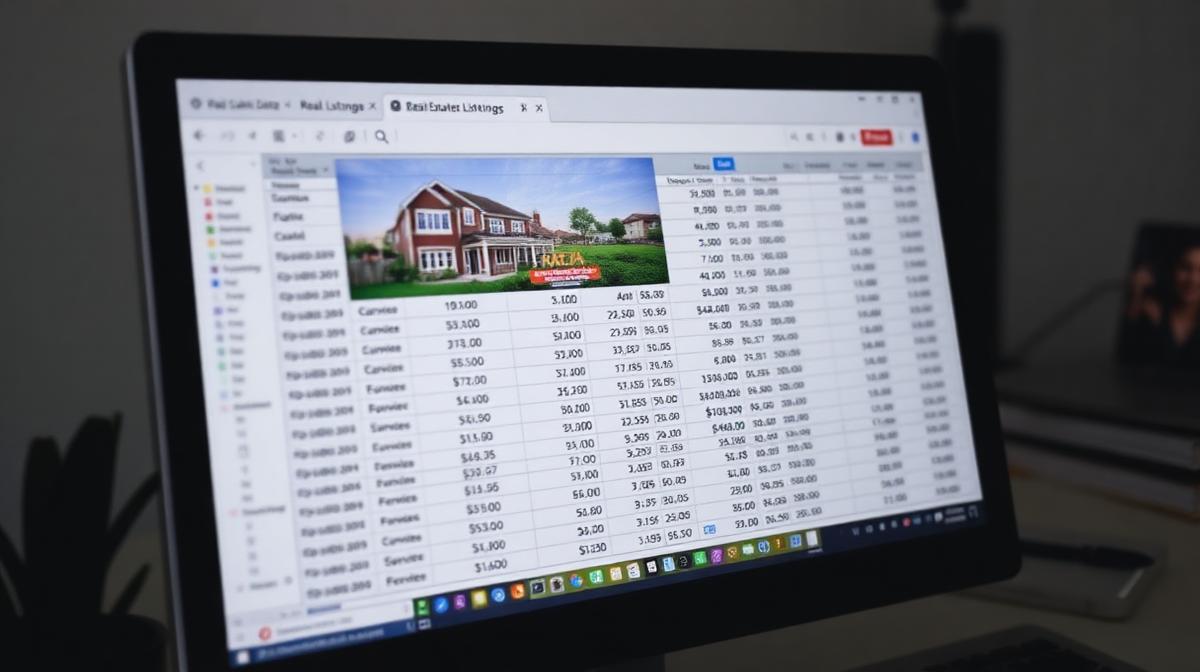
Before diving into the how, let's understand the valuable use cases:
- Comparative Market Analysis (CMA): Real estate agents build pricing models by comparing recently sold properties in the same area. Scraping enables this at scale across thousands of listings.
- Investment analysis: Investors track rental yields, price-to-rent ratios, and neighborhood appreciation rates across multiple markets simultaneously.
- Market reports: Research firms produce industry reports on housing trends, supply/demand dynamics, and price movements.
- Property management: Landlords and managers monitor competitor rental prices to optimize their own pricing.
- Academic research: Universities study housing affordability, gentrification patterns, and urban development.
- Proptech development: Technology companies build data-driven real estate platforms and tools.
Data Points Worth Collecting
| Data Category | Specific Fields | Use Case |
|---|---|---|
| Listing details | Price, bedrooms, bathrooms, sqft, lot size | Pricing models, CMAs |
| Location | Address, ZIP, neighborhood, coordinates | Geographic analysis, heat maps |
| Market status | Days on market, price changes, listing/sold status | Market velocity analysis |
| Property features | Year built, renovations, amenities, parking | Feature-based pricing models |
| Agent/broker | Listing agent, brokerage, contact info | Competitive intelligence |
| Images | Property photos, floor plans | Visual analysis, AI-powered valuation |
| Historical | Previous sales, price history, tax records | Appreciation trend analysis |
02The Legal Landscape (2026)
The legality of web scraping varies by jurisdiction, platform, and how the data is used. Here's the current legal framework:
US Legal Framework
- hiQ Labs v. LinkedIn (2022): The Ninth Circuit ruled that scraping publicly available data is not a violation of the Computer Fraud and Abuse Act (CFAA). This landmark case established that public data can be scraped.
- CFAA limitations: Accessing data behind login walls, bypassing authentication, or violating explicit access restrictions can violate the CFAA.
- Terms of Service: Violating a website's ToS is generally a breach of contract, not a criminal offense. However, it can lead to civil lawsuits.
- Copyright: Individual property descriptions and photos may be copyrighted. Factual data (prices, addresses, square footage) is not copyrightable.
UK/EU Legal Framework
- GDPR: Personal data (names, emails, phone numbers) requires lawful basis for processing. Business contact information has more flexibility.
- Database rights: The EU's Database Directive provides protection for databases that required "substantial investment." Systematic extraction of "substantial parts" may infringe.
- Practical approach: Scrape factual property data, avoid personal agent information unless necessary, and document your legitimate interest.
Canada and Australia
- Canada: No specific anti-scraping law. Copyright Act protects creative content. PIPEDA governs personal information — similar to GDPR principles.
- Australia: Privacy Act 1988 governs personal data. Scraping public business information is generally permissible. Copyright Act protects original content but not facts/data.
03Ethical Scraping Best Practices
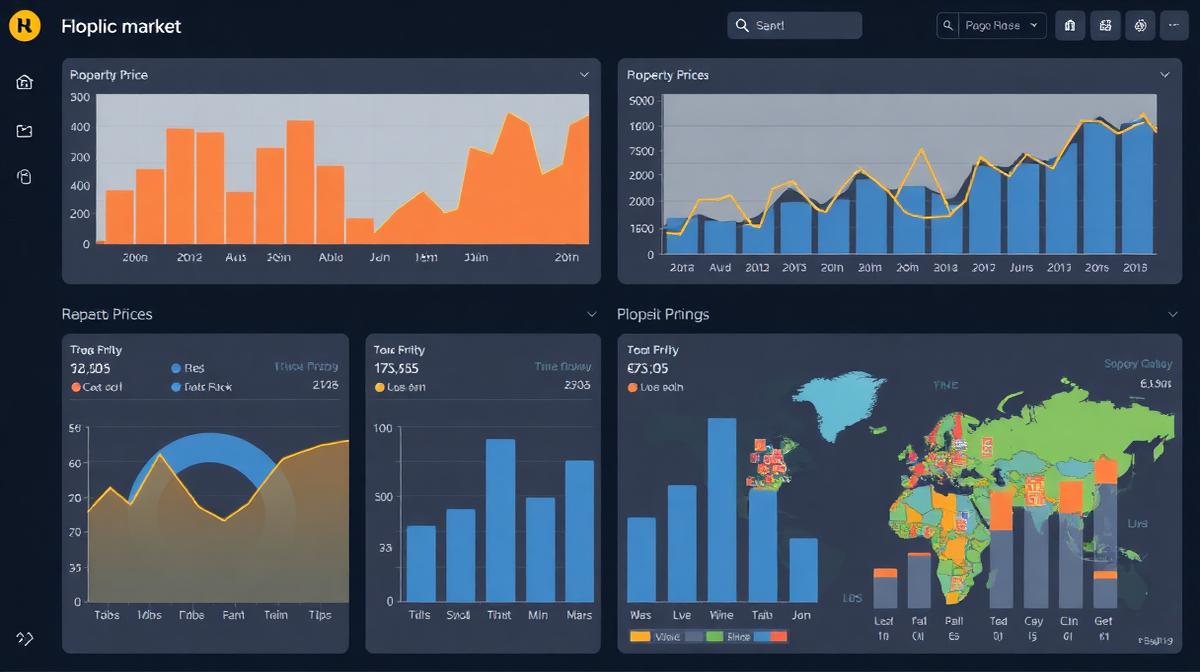
Following these principles keeps your scraping legal and ethical:
- Only scrape public data: Never access content behind login walls, CAPTCHAs, or paywalls without authorization.
- Respect robots.txt: Always check and honor a website's robots.txt directives. If the site disallows scraping specific paths, respect that.
- Rate limiting: Never overwhelm a server. Add 2-5 second delays between requests. Scrape during off-peak hours.
- Don't republish copyrighted content: Factual data (price, bedrooms, sqft) = OK. Property descriptions and photos = copyrighted, don't reuse without permission.
- Identify yourself: Use a descriptive User-Agent string that includes your company name and contact email.
- Store data securely: Encrypt stored data, limit access, and delete when no longer needed for your research purpose.
- Document everything: Keep records of what you scraped, when, from where, and for what purpose — this is your compliance trail.
04Tools and Technologies

For Non-Technical Users
- No-code scraping platforms: Visual point-and-click tools that let you select data fields on a webpage and export to CSV/Excel. No programming required.
- Browser extensions: Simple extensions that extract tabular data from web pages into spreadsheets.
- Google Sheets functions: IMPORTHTML and IMPORTXML can extract structured data from simple web pages directly into Google Sheets.
For Developers
- Python + BeautifulSoup/Scrapy: The industry standard for custom scraping projects. BeautifulSoup for simple pages, Scrapy for large-scale crawling.
- Playwright/Puppeteer: Headless browser automation for JavaScript-rendered pages (most modern real estate sites).
- APIs first: Many platforms offer official APIs (or partner APIs) that provide structured data legally. Always check for an API before scraping.
Data Processing Pipeline
- Extract: Scrape raw HTML and parse into structured data (JSON/CSV).
- Transform: Clean addresses, standardize formats, deduplicate listings, validate price ranges.
- Load: Store in a database (PostgreSQL, MongoDB) or analysis platform (BigQuery, Snowflake).
- Analyze: Run statistical models, create visualizations, generate reports.
05Sample Real Estate Data Analysis
Once you have the data, here's what you can build:
- Price per square foot by ZIP code: Heat maps showing the most and least expensive areas.
- Days on market trends: Is the market heating up (fewer days) or cooling down (more days)?
- Price reduction frequency: What percentage of listings reduce their price before selling?
- Inventory levels: Months of supply by neighborhood — the key indicator of buyer's vs. seller's market.
- Rental yield analysis: Compare asking rents to property values for investment opportunity scoring.
06Recommended Resources & Tools
- US Computer Fraud and Abuse Act (CFAA) — Full text of the federal law governing unauthorized computer access, relevant to web scraping legality.
- Scrapy Web Scraping Framework — Open-source Python framework for large-scale web scraping and data extraction projects.
- Nex-Automata Digital Agency — Our sister agency offering custom web scraping solutions for real estate and property data.
- Flora Medical Global — Our ecosystem partner specializing in data compliance and privacy frameworks.
Is It Legal to Scrape Real Estate Websites?
Scraping publicly available factual data (prices, addresses, property features) is generally legal in the US following the hiQ v. LinkedIn ruling. However, you must respect robots.txt, avoid copyrighted content (photos, descriptions), and not access data behind login walls. Always consult a lawyer for your specific use case and jurisdiction.
Can I Scrape Data for Commercial Use?
Factual data is not copyrightable, so using scraped property statistics for commercial market research is generally permissible. However, systematic extraction of large portions of a database may violate EU database rights. In the US, the legal landscape is more permissive for commercial use of publicly available data.
What Data Points Are Most Valuable for Market Research?
Price, days on market, price changes, and inventory levels are the most actionable data points. Combined with location data, these enable comprehensive market analysis. Historical sales data is especially valuable for trend analysis and predictive modeling.

Md Jamrul Mia
Founder, InfiniCore DataWorks · Senior E-commerce & Data Specialist
10+ years of freelancing experience and 500+ projects delivered for clients across the US, UK, Canada, Australia & Europe. Top Rated on Upwork (4.9★) and 5.0 on Fiverr — specializing in data entry, web scraping, e-commerce operations, AI automation, and web development.
Comments (0)
No comments yet — be the first to share your thoughts.
Leave a Comment
Ethical Web Scraping for B2B Lead Generation: The Complete Guide
Virtual Assistant vs AI Agent: Which Should Run Your E-commerce Back Office?
Related Articles

Hire a Freelance Data Entry Specialist: Red Flags, Pricing & Vetting Checklist
Finding the right freelance data entry specialist can make or break your operations. This guide covers red flags to watch for, realistic pricing benchmarks, and a proven vetting checklist to hire with confidence.

Outsourcing vs In-House Data Entry: Cost Comparison for Small Businesses
Should you hire in-house staff or outsource your data entry? This detailed cost comparison breaks down salaries, overhead, quality, and scalability to help small businesses make the right decision.